

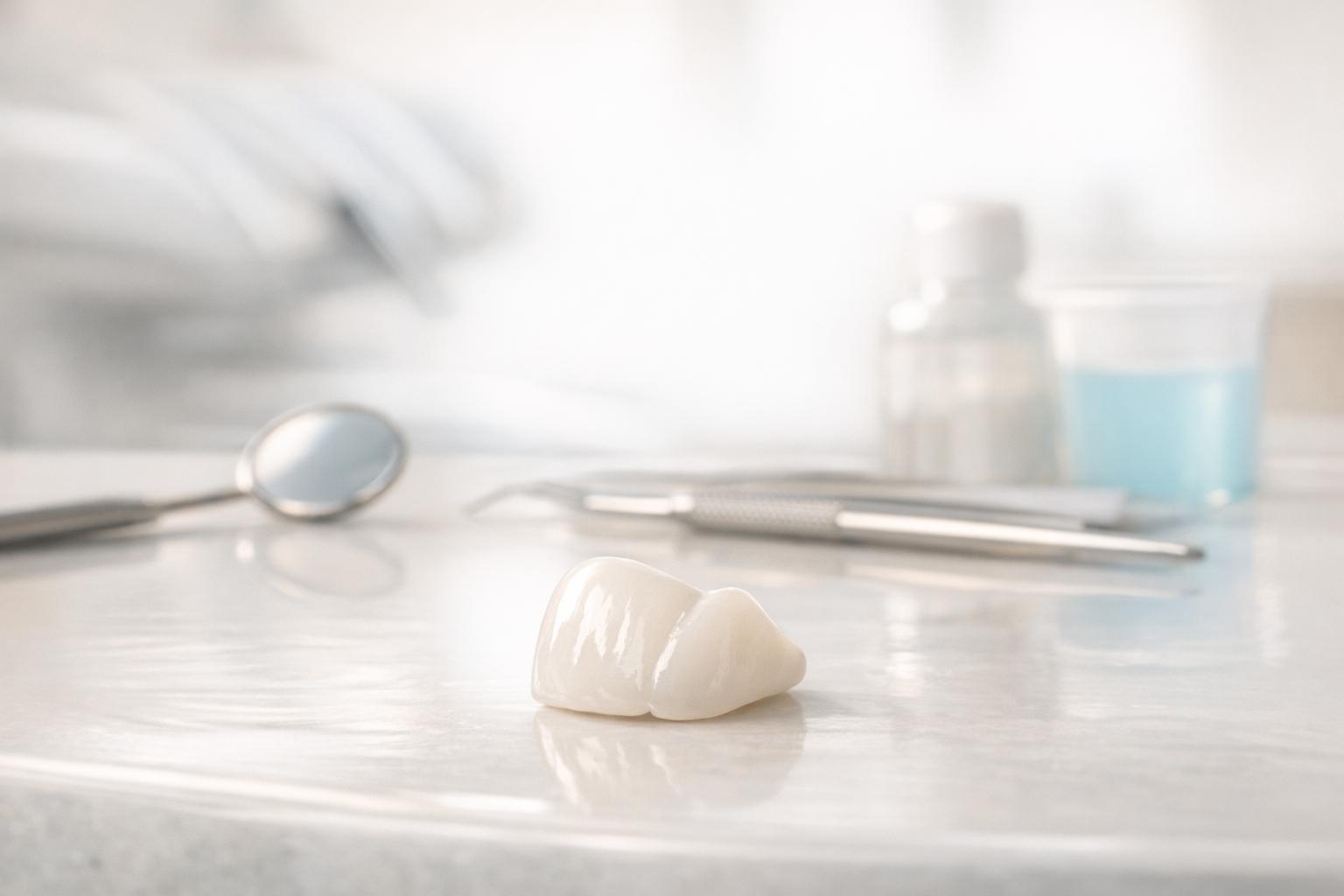
Dental veneers can last for years but require proper care. Here’s a quick breakdown:
- Porcelain veneers: Typically last 10–15 years; with excellent care, they may last up to 20–25 years. They resist stains better but are costlier, ranging from ₹12,000 to ₹25,000 per tooth in India.
- Composite veneers: Last 5–7 years on average; may extend to 10 years with good maintenance. These are more affordable, costing ₹8,000 to ₹12,000 per tooth, but are prone to staining and wear.
Key factors affecting lifespan:
- Daily oral care (brushing, flossing, professional cleanings)
- Avoiding hard foods, smoking, and teeth grinding
- Regular dental check-ups to monitor veneer and gum health
Signs you may need a replacement:
- Chips, cracks, or stains
- Loose or ill-fitting veneers
- Gum recession exposing veneer edges
With consistent care, veneers can transform your smile and stay durable for years.

Porcelain vs Composite Veneers Lifespan and Cost Comparison
How Long Do Veneers Last?
How Long Do Dental Veneers Last?
The lifespan of dental veneers depends largely on the material they’re made from. Porcelain veneers generally last between 10 to 15 years, though with outstanding care, they can sometimes stretch to 20–25 years. On the other hand, composite resin veneers typically last 5 to 7 years, with some reaching up to 10 years when maintained properly. These timeframes are backed by clinical research and real-world outcomes.
Studies reveal that porcelain veneers have an impressive 94.4% survival rate at the 10-year mark. Moreover, about 95% of porcelain veneers, when placed correctly, do not fracture or come loose within that time.
Porcelain Veneers: Durability That Stands the Test of Time
Porcelain veneers are crafted from high-grade ceramics like Lithium Disilicate or Feldspathic Porcelain, materials known for their strength and resistance to stains. Their non-porous nature ensures they remain unaffected by common staining agents like coffee, tea, or wine, keeping them looking pristine over the years.
"When placed correctly on healthy teeth with good bone support, patients routinely enjoy outcomes lasting 15 to 20 years."
- Dr. Stephen Forrest, DDS, Des Moines Cosmetic Dentistry Center
The longevity of porcelain veneers is largely due to the strong bond they form with natural enamel. During the placement process, dentists typically remove 0.5 to 1 millimetre of enamel to ensure a secure fit. This bond not only enhances durability but also helps resist decay around the edges. However, if a porcelain veneer chips or cracks, it usually requires a full replacement.
Composite Resin Veneers: A Shorter but Flexible Option
Composite veneers, while more affordable initially, have a shorter lifespan. Made from materials like nanohybrid or nanocomposite resins, they are more prone to staining, surface wear, and breakdown over time due to their porous nature.
One of the main benefits of composite veneers is their repairability. If they chip or sustain minor damage, your dentist can often fix them in a single visit. However, this convenience is offset by the need for more frequent replacements compared to porcelain veneers. Understanding the differences in durability and maintenance is essential when choosing the right option for your needs and lifestyle.
What Affects How Long Veneers Last?
The lifespan of your veneers isn’t just about the material they’re made from – your daily habits and care routine play a huge role too. While the material sets the stage for durability, how you maintain them determines how well they hold up over time. Several factors can influence their longevity, and being aware of these can help you get the most out of your veneers.
Daily Oral Care and Maintenance
Your oral hygiene routine has a direct impact on how long your veneers last. Even though veneers themselves don’t decay, the natural teeth and gums around them remain susceptible to problems like gum disease and tooth decay. Plaque can build up where the veneer meets your natural tooth, potentially leading to gum recession or even loosening of the veneer. If the underlying tooth decays, the veneer may fail entirely.
Brushing twice a day with a soft-bristled toothbrush and fluoride toothpaste is crucial. This not only helps maintain the veneer’s surface but also strengthens the tooth underneath. Flossing is equally important, as it keeps the margins clean and free of plaque. On top of that, scheduling professional cleanings every six months is a must. These visits can catch early signs of issues like microleakage or marginal breakdown before they become serious.
"A comfortable veneer will be a long-lasting veneer." – Colgate
Lifestyle Habits and Diet
Your lifestyle and diet choices can make or break the longevity of your veneers. Smoking, for example, can damage your gums and lead to staining near the edges of the veneers, sometimes requiring replacement sooner than expected. Similarly, excessive alcohol consumption can weaken the resin cement that bonds the veneers to your teeth. Acidic drinks like soda can erode both the bonding material and your natural enamel, further reducing durability.
Certain eating habits also pose risks. Biting into hard foods – like ice, hard candies, or popcorn kernels – can chip or crack your veneers. Sticky foods can tug at the edges and loosen the bond. It’s also wise to avoid using your teeth as tools, like opening packages, or engaging in habits like nail-biting. Veneers are thin, typically only 0.5 mm to 1 mm thick, and these actions can put undue stress on them.
Teeth Grinding and Dental Problems
Beyond daily care and lifestyle habits, underlying dental issues can also impact how long your veneers last. Bruxism, or teeth grinding, is a common culprit. Grinding places excessive pressure on veneers, leading to premature wear, cracks, or chips. If you grind your teeth at night, wearing a custom nightguard can help protect your veneers from unnecessary damage.
"If you have a habit of teeth grinding or clenching (bruxism), you might experience premature wear and tear on your veneers." – Aspen Dental
Dental health problems, such as decay in the teeth supporting the veneers, can also compromise their longevity. Regular dental checkups are essential to monitor both your veneers and the health of your teeth and gums. Maintaining excellent oral hygiene is your best defence against decay and other issues that could lead to veneer failure.
"The tooth under the dental veneers is still prone to tooth decay leading to failure of veneers, so it is best to maintain overall hygiene and prevent loss of dental veneers." – Dr. Neha Aggarwal, Chief Dentist, Advanced Dental Clinic
sbb-itb-25377e1
When Should You Replace Your Veneers?
Understanding when to replace your veneers is essential for maintaining long-term oral health. Even with excellent care, veneers have a lifespan and will eventually need replacement. Here are the key signs to watch for:
Visible Damage or Staining
Chips, cracks, or noticeable stains are clear indicators that it’s time to replace your veneers. Studies show that fractures account for 45% of veneer failures, while visible cracks contribute to 28%. Such issues often arise from biting down on hard objects or accidental impacts.
Staining is another reason for replacement, especially with composite veneers, which tend to darken over time due to exposure to beverages like coffee or tea, as well as certain spices. Unlike natural teeth, veneers cannot be whitened, so replacing them is often the only way to restore their original appearance.
"If your smile begins to express more in the ‘horror movie’ genre than ‘Hollywood,’ it is time to see your dentist." – Partha Dental Team
Additionally, dark lines or a greyish tint may signal bonding failure or underlying tooth decay. Ignoring these signs can leave your natural teeth vulnerable to rapid deterioration, so don’t delay scheduling a dental check-up.
Loose or Ill-Fitting Veneers
A secure fit is critical for your veneers to function properly. Loose or ill-fitting veneers can create spaces where bacteria can sneak in, increasing the risk of decay in the natural tooth beneath.
Gaps caused by gum recession, often referred to as "black triangles", are another concern. These gaps not only affect the appearance of your smile but also expose your teeth to potential decay and gum disease. Such complications are responsible for about 14% of veneer failures.
If you feel your veneers shifting or notice any changes in their fit, it’s time to consult your dentist. They can determine whether the veneer can be reattached or if a replacement is necessary to protect your teeth. Clinics like The Dental Lounge in Bangalore specialise in thorough evaluations and customised care to ensure your smile stays healthy and beautiful.
How to Make Your Veneers Last Longer
Taking care of your veneers can significantly extend their lifespan. Research shows that 96% of veneers last 5–6 years, 93% make it to 10–11 years, and 71% endure up to 15–16 years. The secret? A mix of smart daily habits and regular dental care. Here’s how you can help your veneers last as long as possible.
Protect Your Veneers Daily
The way you care for your veneers each day has a huge impact. Start with the basics: use a soft-bristled toothbrush and non-abrasive fluoride toothpaste to avoid scratching the veneer surface.
If you’re someone who grinds their teeth at night, a nightguard can protect your veneers from unnecessary wear. Similarly, if you play contact sports, wearing a professional mouthguard can shield them from potential damage.
Be mindful of your eating habits. Avoid biting directly into tough foods like ice cubes, popcorn kernels, hard candies, or nuts. And never use your teeth as tools to open packages, tear tags, or untie knots – this puts unnecessary stress on the bonding material. Additionally, limit beverages like coffee, tea, and red wine, as well as strongly pigmented foods that can cause stains.
Schedule Regular Dental Visits
Pair your daily care routine with regular check-ups to keep your veneers in top shape. Visiting your dentist every six months for cleanings and polish is essential. Annual exams can also help identify issues like gum recession or loose veneers before they become major problems.
"Porcelain veneers are a low-maintenance way to make a tremendous improvement in your smile" – Dr. Dheeraj Setia, The Dental Roots
For example, at The Dental Lounge in Bangalore, their team offers detailed evaluations and personalised maintenance plans to help your veneers last as long as possible. Regular professional care ensures that minor issues don’t turn into expensive replacements.
Conclusion
Dental veneers can transform your smile, but their longevity depends largely on how well you care for them. Porcelain veneers typically last between 10–15 years, while composite veneers have a shorter lifespan of around 5–7 years. It’s important to note that while veneers themselves don’t decay, the natural tooth underneath remains vulnerable.
Taking care of your veneers goes beyond the material they’re made of. Simple daily habits like brushing with a soft-bristled toothbrush, steering clear of hard or crunchy foods, and wearing a nightguard (if you grind your teeth) can make a big difference in how long your veneers last. Additionally, scheduling regular dental check-ups every six months ensures that any potential issues are caught early – saving you from costly repairs down the line.
Be mindful of warning signs such as cracks, chips, persistent stains, gum recession that exposes veneer edges, or a loose fit. Addressing these issues promptly can help protect not only your veneers but also the health of the teeth underneath.
For those in Bangalore, The Dental Lounge offers tailored veneer care with cutting-edge technology and expert advice. Book a consultation to ensure your smile stays bright and healthy for years to come.
FAQs
How can I make my dental veneers last longer?
To keep your dental veneers in top shape for years to come, here are some practical tips to follow:
- Brush regularly: Use a soft-bristled toothbrush and non-abrasive fluoride toothpaste to clean your teeth twice a day. This helps protect both your veneers and natural teeth.
- Floss daily: Flossing prevents plaque build-up and supports healthy gums, which is essential for maintaining your veneers.
- Regular dental visits: Schedule a professional cleaning and dental check-up every six months to ensure your veneers and overall oral health are in good condition.
- Be cautious with certain foods and drinks: Avoid biting into hard items like ice or nuts, and try to cut back on beverages like tea, coffee, and red wine that can stain your veneers.
- Protect your veneers: If you grind your teeth at night or engage in contact sports, invest in a custom-fitted nightguard or mouthguard to shield your veneers from damage.
By sticking to these habits and prioritising proper oral hygiene, you can keep your veneers looking great for years. For expert care and personalised advice, you might want to check out The Dental Lounge in Bangalore. They’re well-regarded for their advanced cosmetic dentistry and patient-first approach.
How can I tell if my dental veneers need to be replaced?
Dental veneers might need replacing if they show damage like chipping, cracking, or scratches. It’s also worth considering a replacement if a veneer feels loose, causes tooth sensitivity, or doesn’t fit as it should anymore.
Routine dental check-ups play a crucial role in keeping an eye on your veneers. Your dentist can spot early wear and suggest replacements when necessary, helping you maintain a confident and functional smile.
What happens if you don’t maintain proper oral hygiene with veneers?
Failing to keep up with proper oral hygiene when you have veneers can lead to a host of problems. For instance, neglecting care might result in staining or discolouration, robbing veneers of their natural, polished look. Beyond aesthetics, poor hygiene can cause tooth decay or damage to the teeth underneath, and even lead to gum disease, which can affect the overall health of your mouth.
Over time, inadequate care can also leave veneers vulnerable to chipping or early failure, which might mean costly replacements down the line. To make sure your veneers stay in top condition, stick to a daily routine of brushing and flossing, avoid biting into hard objects, and don’t skip those regular visits to your dentist.

